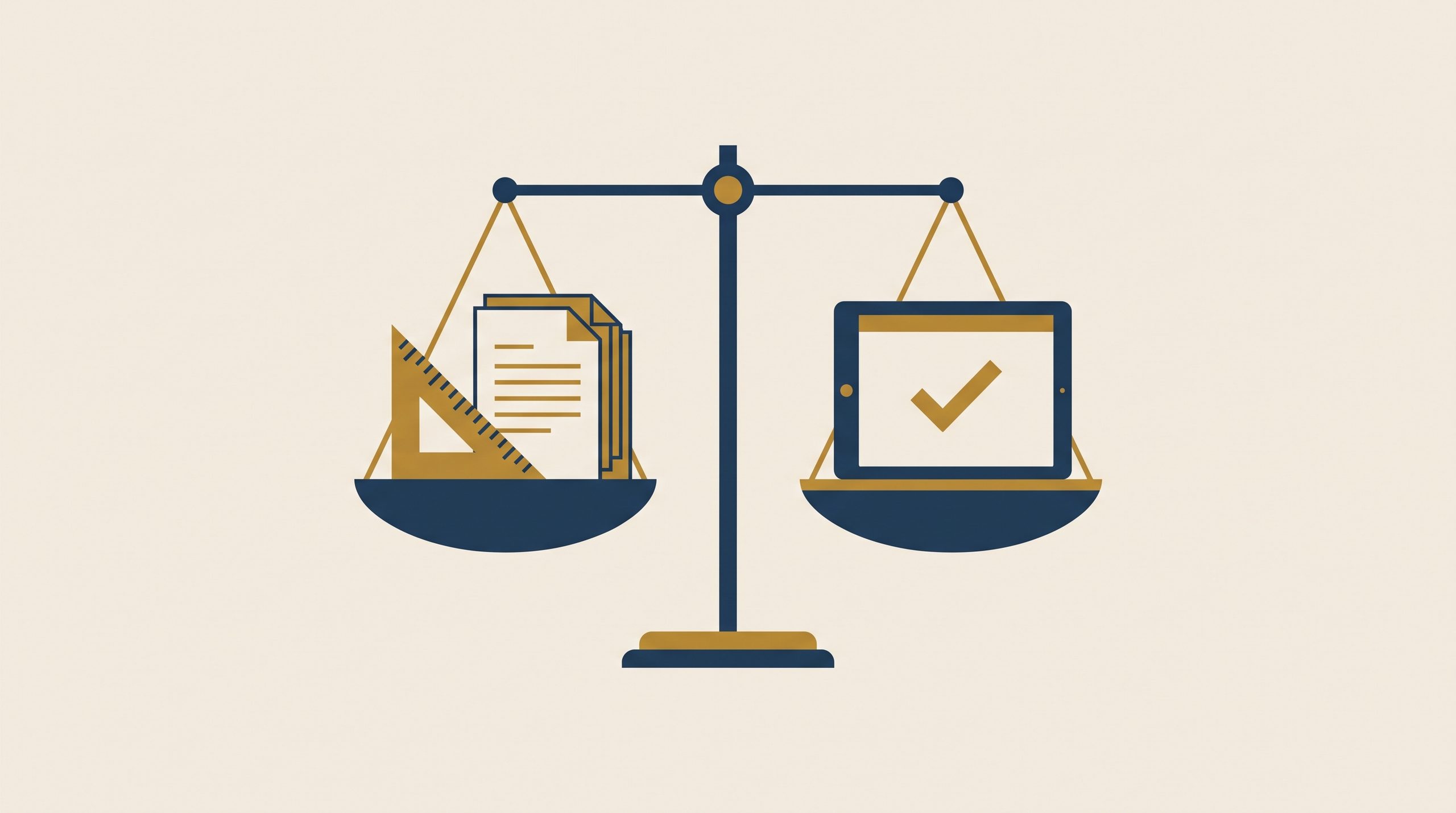
Per-User vs. Flat-Rate Pricing: Which Is Better for Small Contractors?
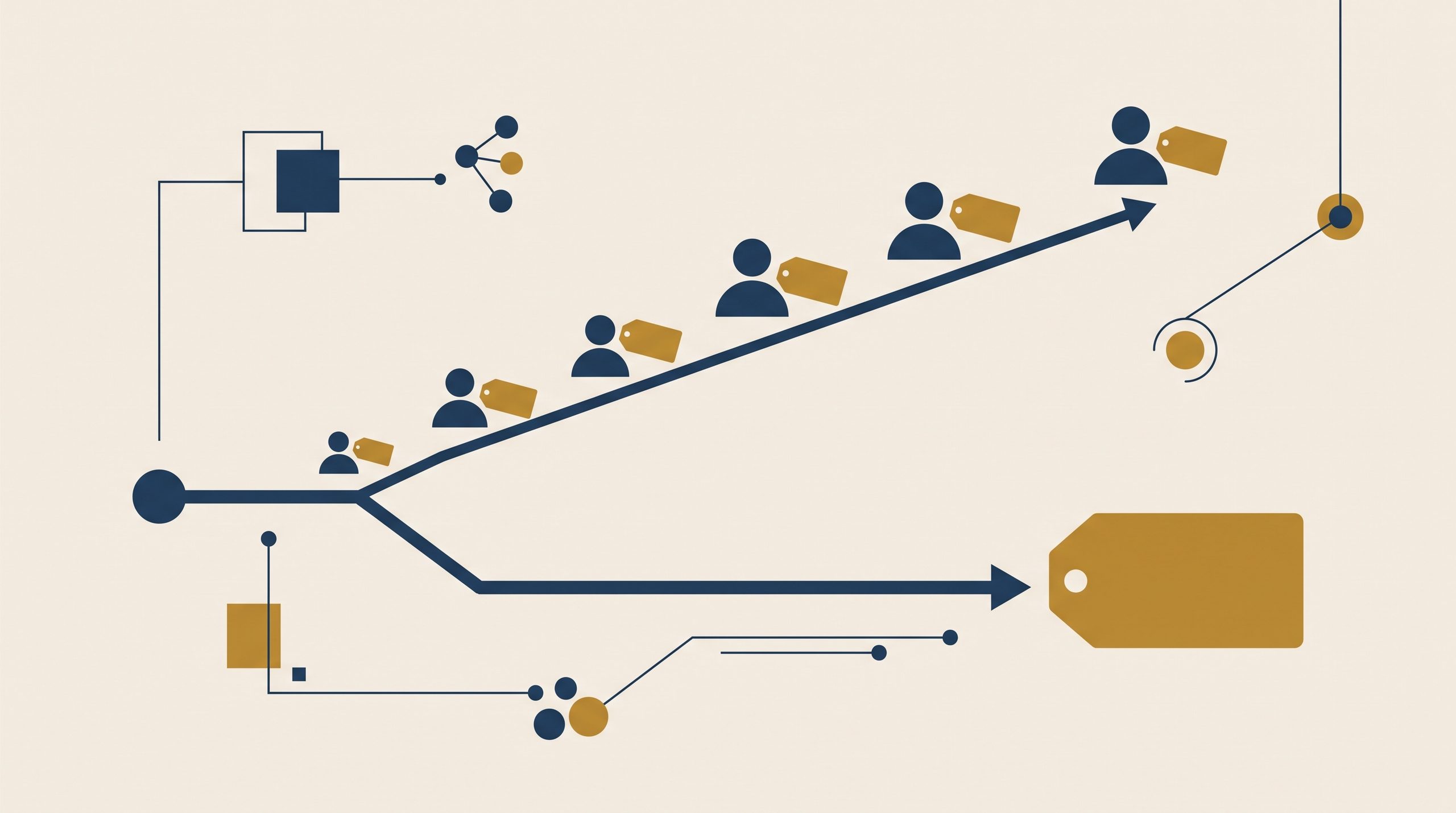
Two software platforms can offer nearly identical features and still end up costing a business very different amounts, simply because of how they structure pricing. Per-user and flat-rate models are the two most common approaches in construction software, and understanding the real difference between them matters more than comparing headline monthly prices alone. A quick … Read more


Hidden Costs to Watch for When Buying Construction Software

The monthly price listed on a construction software provider’s homepage rarely tells the full story of what it actually costs to run the platform. Between implementation, add-ons, integrations, and the time it takes to get a team fully up to speed, the real total can end up noticeably higher than the number that first caught … Read more

Free vs. Paid Construction Software: What You Actually Get

Free plans and free tiers show up across almost every category of construction software, from scheduling to takeoff to general project management. For a small or newly started contracting business, the appeal is obvious: no upfront cost, no long-term commitment, and a chance to try digital tools without piling on a new monthly expense. The … Read more

Signs Your Estimating Process Needs an Upgrade

An estimating process that worked fine when a business was smaller doesn’t always keep working as it grows. The turning point is rarely obvious in the moment — there’s no single dramatic failure that announces it’s time to upgrade. Instead, a handful of recurring patterns tend to build up quietly until the cost of sticking … Read more

Estimating Software Pricing: What Small Contractors Should Expect

Estimating software pricing spans an unusually wide range, from around $50 a month for a basic solo-user plan to well over $1,000 a month for enterprise-grade platforms built for large estimating teams. For a small contractor, most of that range simply isn’t relevant, but it helps to understand the general landscape so you avoid both … Read more

How Long Does It Take to Learn Estimating Software?

The learning curve is one of the most common concerns contractors bring up before switching to estimating software, and it’s a fair one. Learning a new system eats into time that could go toward actually running the business, and nobody wants to sink weeks into a tool that ends up feeling more like a burden … Read more

Estimating Software for Specialty Trades: What to Know

A lot of the estimating software marketed toward “contractors” is really built with general contractors in mind — businesses managing multi-phase projects across several trades. Specialty trades like electrical, plumbing, HVAC, and roofing often have different estimating needs, and a general-purpose tool doesn’t always translate well to how these businesses actually price jobs. Here’s what … Read more

Common Estimating Mistakes That Cost Contractors Money

An estimate doesn’t have to be dramatically wrong to hurt a business’s bottom line. Often it’s a handful of small, easy-to-make mistakes that quietly chip away at profit on a job, without ever showing up as one obvious error. Spotting these patterns is usually the first step toward fixing them, whether the fix is a … Read more

Estimating Software vs. Manual Takeoffs: Is It Worth Switching?

Plenty of small contractors have been estimating jobs by hand for years — a printed plan, a scale ruler, a spreadsheet or notepad for the math — and it works well enough to keep the business running. So the real question isn’t whether manual estimating “works.” It’s whether switching to software actually pays off enough … Read more

Digital Takeoff Software Explained for Beginners

If you’ve run into the term “takeoff software” while researching construction estimating tools, it can sound more complicated than it actually is. At its core, a takeoff is simply the process of measuring quantities — how much lumber, how much drywall, how much flooring — off a set of plans, in order to build an … Read more